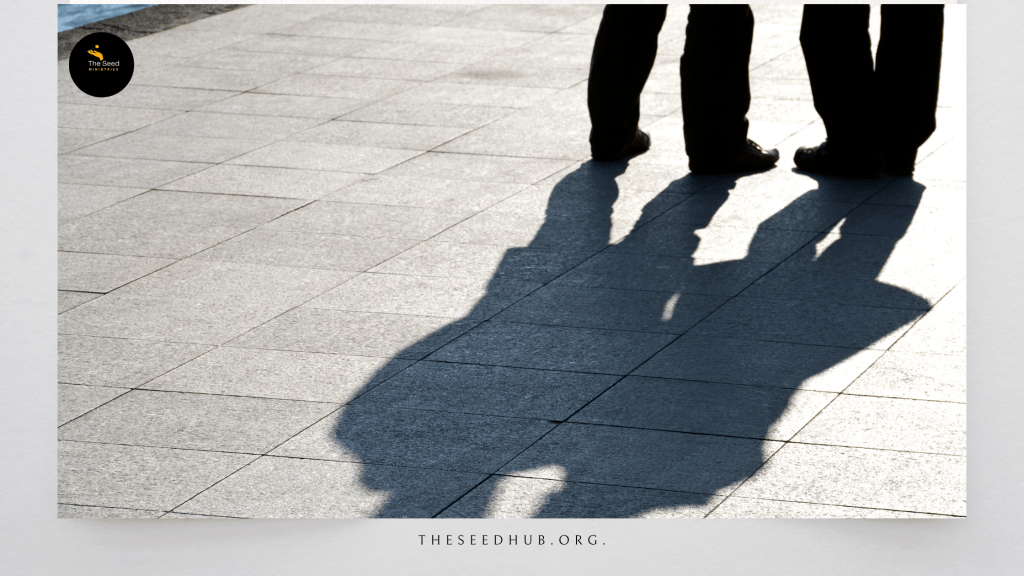
“Yea, though I walk through the valley of the shadow of death, I will fear no evil: for thou art with me; thy rod and thy staff they comfort me.” (Psalm 23:4 KJV)
Hi Everyone,
Welcome to Part 4 of our series, “Faith in Christ Jesus: Insights for Today’s Generation.” In this part, we will explore the scriptures of Psalms 23:4 and Isaiah 9:2. A few weeks back, we began our journey with “Faith in Christ Jesus.” We delved into:
- Faith in Christ Jesus: Examining steadfast faith in Jesus, with a focus on Matthew 11:6 and Jesus’ response to John the Baptist.
- Davidic Covenant: Exploring 2 Samuel 7:1-16, where God promises to establish a lasting dynasty for David, foreshadowing Jesus Christ.
- Living in Faith: Living in faith in Christ Jesus is a journey that requires steadfast belief, understanding, and love.
How can we proclaim the presence of God if we do not know who Jesus is? The valley is only of the shadow of death.
In Part 4, we will delve deeper into our understanding of the true light and darkness. We will also explore their effects in our lives. Today, we’ll focus on Psalm 23:1-4 and Isaiah 9:2:
Psalm 23 is one of the most famous and often-quoted passages in the Bible. It is often recited for its comforting message of God’s presence and protection. The passage is more about how a person lives in relationship to God.
Isaiah 9:2 is a prophecy about the coming of the Messiah. It is often associated with the birth of Jesus Christ. He will bring light to a world overshadowed by despair and death. It speaks of a great light shining on those living in darkness. It emphasises the transformative power of light and symbolises hope and salvation.
The Shepherd: Understanding Psalm 23:1
In Psalm 23:1, we encounter the imagery of a shepherd and a sheep. This was written by King David. He himself was once a shepherd. This metaphor beautifully describes our relationship with God, portraying Him as both a leader and a provider. The term “shepherd” signifies more than just someone who tends to sheep. It acknowledges God as the sovereign ruler of our lives.
King David says, “The LORD is my shepherd, I shall not want.” He’s already proclaiming that the LORD is his provider.
Who is a shepherd?
In the Bible, the role of the shepherd is a powerful symbol. It represents God’s leaders and caretakers of His people. The imagery of the shepherd carries deep meaning, signifying a figure of protection, guidance, and intimate relationship.
The Shepherd in Scripture:
In Isaiah 63:11, the people remember the days of Moses. They reflect on the shepherd of God’s flock and ask, “Where is He who brought them through the sea? Where is He who set His Holy Spirit among them?”
In Jeremiah 23:2, the Lord addresses the shepherds who have failed to care for His people. He says, “You have scattered my flock and driven them away. You have not taken care of them. I will punish you for the evil you have done.”
From these scriptures, we understand that a shepherd’s role is not just about leading. It involves a deep responsibility to protect the flock. The shepherd must also nurture and love the flock entrusted to them.
Biblical Roles of a Shepherd:
Protection: A shepherd is called to guard the flock against harm, ensuring safety and security.
Guidance: Shepherds led their sheep to green pastures, symbolising guidance to nourishment, rest, and spiritual growth.
Love and Care: A true shepherd loves his sheep and forms a deep, personal connection with them. As John 10:27-28 tells us, “My sheep listen to my voice; I know them, and they follow me. I give them eternal life, and they shall never perish; no one will snatch them out of my hand.”
Intimacy: A shepherd knows his sheep so well that they recognise and follow his voice. This relationship reflects the closeness and trust that believers are called to have with God.
The Shepherd and the LORD:
In Psalm 23, the shepherd is the LORD Himself. This powerful passage reminds us that Christ’s relationship with His people is often portrayed through the image of the shepherd. As we read in John 10:14, “I am the good shepherd; I know my sheep and my sheep know me.”
If we place our faith in Christ, we can be rest assured that our needs will always be met. Our well will never run dry because He lives in us and us in Him. Just as a shepherd provides for his sheep, Christ provides for us. In Him, we find eternal life and an unbreakable connection to God’s love and presence.
As Christians, we must cherish our God. He is the Almighty God; in whom we live.
Who is this, Shepherd?
Jesus Christ, the Lamb of God and our Saviour, is the ultimate shepherd. He is the resurrection—the key to our faith (John 11:25). As the Son of God and the Messiah, He calls us into a relationship of trust, care, and eternal life. Jesus is our deliverer, and through Him, we are never alone.
In the role of the shepherd, Jesus encamps us in His will, guiding us towards His love and purpose. As the Psalm says, “The LORD is my shepherd; I shall not want.” He will provide, guide, and protect us.
The Call to Follow:
Faith in Christ Jesus is more than a belief. It’s a decision of who we choose to serve. Will it be Christ or ourselves? Who will we form alliance with, in our journey of life? Will we follow the Shepherd, who leads us to eternal life, or will we try to go our own way?
God is God, and man is man. In Christ, we find our true purpose, our true shepherd. He is the key to our faith. He sustains us. He is the One who leads us to eternal life.
We must rely on our faith in God to survive the days ahead.
We are living in a pivotal moment in our lives in this land. Now, more than ever, we need God’s grace. It will help us combat the days ahead—the uncertainties and trials that await us. The darkness surrounding us is undeniable, but with faith and God’s guidance, we can endure.
The Shadow
What Is a Shadow?
Shadows are the absence of light:
A shadow is a dark area that forms when an object or person blocks direct light from a light source.
How Is a Shadow Formed?
Shadows are fascinating phenomena in physics. They are formed when an opaque or translucent object blocks the path of light because light travels in straight lines. Darkness appears on the other side of the object. This darkness is called a shadow.
Light travels in straight lines until it encounters an object. Since light cannot bend around the object, it creates a shadow. Transparent objects do not cast shadows because light passes straight through them. The length and direction of shadows change depending on the position of the light source, such as the sun. The closer the object is to the light source, the larger the shadow. Apart from distortion, a shadow mirrors the shape of the object casting it.
The Light and Darkness
The Bible frequently employs light as a symbol of goodness, truth, and the presence of God. Key verses that illustrate this include Genesis 1:3-4, Psalm 27:1, and Psalm 119:105. Others are Isaiah 60:1, Matthew 5:14-16, and John 1:4-5. Additionally, John 8:12, Ephesians 5:8, and 1 John 1:5 also demonstrate this.
Conversely, the Bible also addresses darkness, often using it as a metaphor for sin, ignorance, and separation from God. Notable verses on this theme are Job 10:22, Psalm 44:19, and Psalm 107:10-14. Other important verses include Luke 1:79, John 8:12, and 1 John 1:5-9. Additionally, Psalm 139:11-12 and 1 Peter 2:9 contribute to this theme. These passages underscore the stark contrast between darkness and light.
Within us, we harbour disbelief, misbelief, and doubt. As Matthew 11:6 reminds us, we stumble because of Jesus. This hinders God’s presence in our lives, giving the enemy full control and casting his shadows upon the earth.
Light has come into the world, but we have denied it access to our lives. Consequently, it does not reflect in us. We dwell in the land of the shadows, despite the presence of light in our midst. Though light has come to us, we do not see it. Instead, we see darkness in our lives. Have you allowed Jesus Christ into your life? Are you living by the principles of God?
The Messiah, Jesus Christ, is the light God gave us to illuminate our weaknesses. He shines light on our flaws, allowing us to change. Every creature who lives in Him has this light, which exposes hidden darkness.
The world has seen a great light in Jesus Christ, who brings salvation amidst our troubles. Born into the world with a purpose, He seeks to unite us. Meanwhile, the devil parades on our premises, showing resistance, but the Lord will call again to end his parade.
Jesus Christ, the light of the world, cannot be hidden under a bushel basket. He will return with His rod of administration to judge the world of its sins. Light dispels darkness; where there is light, darkness cannot exist. Embracing God’s word in our lives will banish all darkness from our path.
The LORD reveals His mysteries through His Word. This Word is our guide and source of hope. God has given us faith to prosper. However, we must ask ourselves if our pursuit of prosperity aligns with His will. We often strive for prosperity, but true prosperity means surrendering our lives to God. How can we do this in a world filled with wickedness? We must not forget the will of God in our quest for success. What is His will for our lives?
Matthew 6:9-10 and 24-33 emphasise the importance of prioritising God’s kingdom and righteousness. By focusing on these spiritual goals, our other needs and desires will be fulfilled. God’s will for our lives is to place His divine principles and moral standards at the forefront. This ensures that our material and personal aspirations are met according to His plan. The broader biblical message tells us to seek a relationship with God above all else. We should trust in His provision and guidance as the foundation for a fulfilling life.
To live in God’s will, we must:
Seek His Kingdom: Prioritise God’s kingdom and righteousness in all aspects of life.
Trust in His Provision: Believe that God will meet our needs as we focus on His will.
Align with His Principles: Follow God’s divine principles and moral standards.
Surrender to His Plan: Let go of our own desires and trust in God’s plan for our lives.
By doing so, we align ourselves with God’s will and experience true prosperity and fulfilment.
Shadow of Death
The phrase “valley of the shadow of death” from Psalm 23:4 has been interpreted in various ways. It generally symbolises a place of profound darkness or danger. Despite this, the psalmist conveys unwavering confidence in God’s protection and guidance.
Death:
In Genesis 2:17, God commanded Adam not to eat from the tree of the knowledge of good and evil. He warned that doing so would result in death. This is further emphasised in Genesis 3:19. The first introduction of death in Genesis is seen as both a punishment and a separation.
Paul echoes this sentiment in Romans 6:23. He writes, “For the wages of sin is death. But the gift of God is eternal life in Christ Jesus our Lord.”
As you journey through the Land of Shadows, remember that the Lord walks with you, guiding and leading you. As the Lord restores, the objects causing the shadows will be removed. God’s Word will eliminate the darkness, which represents the sins in your life and bring light to you. As you receive and accept the Word of God, the barriers blocking His light will be lifted. His Spoken Word over your life will come to pass.
Until Immanuel is given to us, may you walk with Him in the shadows. It is only a land of shadows, and God is yet to manifest His spoken Word in our lives.
The Valley:
In the Bible, a valley often symbolises a place of trial, suffering, or low points in life. It can represent times of hardship and challenges, but also moments of growth and learning. Valleys can also symbolize humility and dependence on God. They are often contrasted with mountains, which represent exaltation and closeness to God. In the Bible, valleys are places where people are reminded of their need for God’s help. They can also experience His grace and mercy there.
The valley is only the shadow of death, not death itself. It represents the presence of evil and the consequences of sin. The object of death obstructs the path of God’s light, creating darkness. However, it is only a shadow, not death itself. Death is not allowed in the valley, only its shadow falls there. If death were in the valley, man would not survive a day. A day is full of light, and darkness belongs to the night.
Shadows are produced during the day when there is light, not in the night.
We cry to the Lord during the day because that is when we see the shadow of death. Without light, there is no shadow. We need the light of God to see the shadows in our lives. Jesus, the Light of the world, reveals where we are failing in our walk with God. His Light reflects the mishaps in our lives – the valley of the shadow of death.
Jesus was born to bring us light, and this light is within Him. Our walk with Him will be judged by our discipline in Him. However, the light that God brought us has been hidden under a bushel basket (Matthew 5:15-16). It is not shining through as it should, covered by the sins of this world. We are not seeing the light through God’s perspective but as an obstruction to our well-being. We are living within our means, judged by the princes of this world. Thus, we live in the shadow of death. Until we allow the light of God (His rod and His staff) in us and in our midst, we will continue to live in the shadow of death.
For Thou Art with Me
“I fear no evil; for you are with me”:
How can we claim this blessing if we are not with Him?
How can we proclaim His presence if we do not know who Jesus is?
How can we say we know Jesus if we do not understand His identity in God?
How can we proclaim His presence if we do not comprehend Jesus?
How can we declare His covering if we do not walk in His path?
To truly say, “For thou art with me,” we must have faith in Christ Jesus. We must believe in who He is and what He represents. To understand God, we must first understand Jesus. If God is with us, who can be against us?
These words are for those who believe in Jesus Christ and His works. We cannot claim this promise if our belief is not in Him. Have we accepted Him in our hearts? Is Jesus our Redeemer? It is one thing to recite this phrase daily, but have we truly accepted Jesus as our Saviour?
Is He living in our hearts? If He is not, then this proclamation does not impact our lives because we do not recognise Jesus as our Saviour. Unless we acknowledge Him as our Saviour, this proclamation is not ours. The Psalmist says in Psalms 23:4, “I will fear no evil; for you are with me.” Matthew 6:10 adds, “And lead us not into temptation but deliver us from evil.” Evil is the root of all these images seen as shadows. It stands in our walk with God, deciding what to do with us and exaggerating its power.
Evil in man is beyond expression, but it is man who allows evil in him. To distort the image of evil in your life, you must allow light to enter. Then light will eliminate the darkness in you. Until we allow God into our lives, darkness will always overshadow our chances of seeing light. Therefore, we walk in the valley of the shadow of death. The darkness within us blocks the path of God’s light through us, producing an image that mirrors the darkness.
In Psalm 23:4, the rod and staff symbolise a shepherd’s tools. The rod provides protection and discipline, while the staff offers guidance and support. Together, they represent God’s care and leadership.
When Jesus spoke again to the people, he said, “I am the light of the world. Whoever follows me will never walk in darkness but will have the light of life.” (John 8:12)
Key Points:
- We cry to the Lord during the day because we see the shadow of death.
- Our walk with Him will be judged by our discipline in Him.
- The light God brought us is often hidden by the sins of the world.
- To truly say, “For thou art with me,” we must have faith in Christ Jesus. We also need to understand His identity in God.
- Evil creates shadows in our walk with God.
- To eliminate the darkness within us, we must allow God’s light to enter.
- Without God’s presence, darkness will always overshadow our chances of seeing light.
Embracing the light of Jesus Christ will dispel the darkness. Allowing God’s presence in our lives will guide us through the shadows of life.
Call to Action:
Are you ready to embrace the light of Jesus Christ and let His presence guide you through life’s shadows? Dive deeper into your faith and experience the transformative power of God’s word.
We are concluding our series on “Faith in Christ Jesus: Insights for Today’s Generation.” We reflect on the profound insights we’ve gained. We also recognize the spiritual growth we’ve experienced together. We started with exploring the steadfast faith exemplified in Matthew 11:6. Then, we moved to understanding the Davidic Covenant and its foreshadowing of Christ. Throughout this journey, we’ve delved into scripture to uncover the essence of living in faith.
Our exploration of Psalm 23 and Isaiah 9:2 has illuminated the transformative power of God’s presence. It has shown us the hope brought by the Messiah. As we walk through the valleys of life, let us remember that we are never alone. God’s light guides us. His rod and staff comfort us. His promises sustain us.
Thank you for joining us on this journey. May your faith in Christ Jesus continue to grow, bringing you peace, strength, and unwavering hope.
Subscribe to our blog for more insights and be part of a community that seeks to understand and live out faith in Christ Jesus. Share your thoughts and experiences in the comments below.
Join our community, share your journey, and let’s walk in His light together.
Let’s journey together in understanding and living our faith in Christ Jesus! 🙏
Written by Eunice Forson
Did you like this post? Share it! Like it! Leave a comment! Follow us!
In case you missed any of the previous posts in this series…
During our Faith in Christ Jesus: Insights for Today’s Generation blog series over the past 4 weeks, we’ve covered…
Introduction to Series: “Faith in Christ Jesus: Insights for Today’s Generation.”
Part 1.0: “Understanding Faith in Christ Jesus.”
Part 1.1: “Bridge Between Testament: Understanding Christ.”
Part 2.0: “Discovering Jesus: Who is He in Our Lives?“
Part 3.0: “Living in Faith: Embracing Christ Jesus in Today’s Generation“
 The seed