Hi everyone,
Welcome to Part 10, the final chapter of our series, The Sower’s Seed. In this post, we wrap up our journey through Matthew 13, reflecting on how the powerful message of the seed brings us together as believers and transforms our lives.
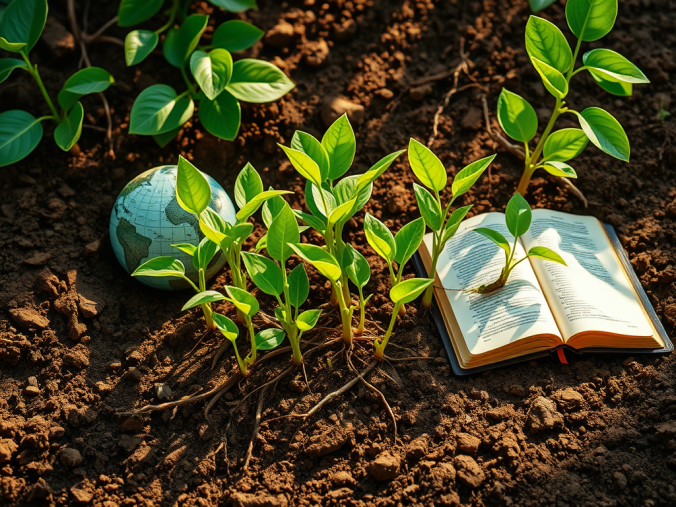
Before anything could grow, there had to be soil — and not just any soil, but good soil. This is more than a gardening metaphor. It’s the foundation of creation, identity, and divine purpose.
To live the nature of the land is to understand where we came from, why we were formed from the earth, and how our lives are intertwined with the rhythm of creation. To understand who we are, we must first look at where we come from – the land, the soil, formed by God’s own hands. From that same soil, mankind was created.
In a world where we often forget our roots, this blog seeks to bring knowledge to the people – a reminder of how we were formed and why we exist. Our lives are part of a greater design, born from love and destined to reflect the glory of our Creator.
In this concluding article, we invite you to return to the beginning — to see the land not only as physical ground but as sacred ground. A place of origin, growth, and calling.
If you haven’t read our previous post, The Matter of the Heart: Cultivating Good Soil, be sure to give it a read!
In our previous article, we focused on Cultivating Good Soil, exploring the nature of the receiving grounds where the Sower’s seed fell. We explored what these four grounds represent and how they challenge us to dig deeper into the Word of God. The four types of ground in the parable of the sower offer us a mirror to reflect on our own hearts and our response to God’s Word. Are we the hard path, unable to accept the message? The rocky ground, easily shaken by trials? The thorny ground, choked by worldly concerns? Or are we the good soil, ready to receive and bear fruit for God’s Kingdom?
Today, we’ll focus on the theme: Good Soil: Living the Nature of the Land. Let us explore the nature of the land, the people formed from it, and the Creator who breathed life into both.
Scripture Reference:
Genesis 1:1-2
1 In the beginning God created the heavens and the earth. 2 Now the earth was formless and empty, darkness was over the surface of the deep, and the Spirit of God was hovering over the waters.
Genesis 2:4-7
4 This is the account of the heavens and the earth when they were created, when the Lord God made the earth and the heavens.
5 Now no shrub had yet appeared on the earth and no plant had yet sprung up, for the Lord God had not sent rain on the earth and there was no one to work the ground, 6 but streams came up from the earth and watered the whole surface of the ground. 7 Then the Lord God formed a man from the dust of the ground and breathed into his nostrils the breath of life, and the man became a living being.
1. In the Beginning: The Creation of the Land
According to the Bible, the creation of the earth is described in the book of Genesis, specifically in the first chapter. A foundational passage that outlines how God brought the universe into existence through His spoken word. Day by day, God spoke everything into being: light, sky, land, seas, plants, animals, and finally, human beings.
Each step of creation followed a clear and purposeful order, showing God’s wisdom and care. After each day, God looked at what He made and called it “good.” This reminds us that the world was created with beauty, meaning, and divine design. It was all prepared as a home for humanity, shaped by the Creator’s loving hands.
The land was not a coincidence. It was spoken into being by the Creator — shaped with care, rich in purpose, and teeming with potential. The earth, in its earliest form, reflected divine order and beauty.
Hebrews 11:3: “By faith we understand the universe was created by the word of God so that what is seen was not made out of things that are visible.”
Psalm 33:6: “By the word of the LORD the heavens were made, and all the stars by the breath of his mouth.”
Psalm 104:5: “He established the earth on its foundations; it will never be shaken.”
Isaiah 45:12: “It is I who made the earth and created man on it; it was my hands that stretched out the heavens, and I commanded all their host.”
What Is the Earth?
A Biblical and Reflective View:
The earth, according to Scripture, is God’s creation. It is a living, breathing testament to His power, creativity, and love. It is more than just ground beneath our feet. It is a sacred space designed to host life, reflect God’s glory, and serve as the setting for humanity’s story.
In Genesis 1:1, the Bible begins with these simple yet profound words:
“In the beginning, God created the heavens and the earth.”
The earth is the first stage upon which the divine narrative unfolds. It was formed out of nothing, shaped by God’s word, and declared good in His sight. It holds the land, the seas, the skies, and everything in them. It is the source from which humanity was physically formed, as Genesis 2:7 tells us that man was created from the dust of the ground.
Spiritually, the earth:
- Is a gift from God to His creation (Psalm 115:16)
- Declares God’s handiwork (Psalm 19:1)
- Groans for restoration alongside humanity (Romans 8:22)
Is a witness to covenant and purpose (Deuteronomy 4:26)
A Natural and Scientific View:
From a scientific perspective, the earth is a terrestrial planet in our solar system, orbiting the sun at just the right distance to sustain life. It is made up of layers — the core, mantle, and crust. It is covered with water, land, and atmosphere.
It’s the only known planet to support life, thanks to its balanced ecosystem, gravity, and oxygen-rich atmosphere. Earth’s soil nourishes plants, its waters sustain creatures, and its climate supports growth and diversity. But even through this lens, the awe remains — many believe that such perfect balance isn’t just science, but divine intention.
So, what is the earth? It is home, origin, and calling. It is the soil from which we were formed, the ground in which seeds are sown, and the environment through which we live out our purpose. The earth reminds us of both our humility (formed from dust) and our divine connection (filled with God’s breath).
Bringing It Together:
To live the nature of the land is to see the earth not merely as a place, but as part of who we are — and who we’re meant to become.
“The earth is more than a place — it is a sacred beginning, formed by the hands of the Creator and spoken into being by His word (Genesis 1:1–3). From its soil, we were shaped (Genesis 2:7), and through it, His glory is revealed (Psalm 19:1). The land is not just a backdrop to our lives, but a vessel of divine provision (Psalm 24:1). To live the nature of the land is to recognise that we are not separate from it, but born of it — called to tend it with reverence (Genesis 2:15), and to live with hearts as open and fertile as good soil (Luke 8:15).”
The Soil of the Earth
Soil isn’t just dirt under our feet — it’s a living mix of minerals, water, air, and all sorts of tiny organisms. When we talk about “the soil of the Earth,” we’re talking about the layer that covers the land, like the skin of the planet. It supports plant life and plays a huge role in keeping everything on Earth alive. It holds nutrients, stores water and gives roots a place to grow.
But the soil holds more than just physical things — it holds potential. It’s where seeds are planted, where trees grow tall, and where life begins again and again. In the land itself, we can see God’s wisdom and care. He created the soil to provide, to sustain, and to reflect His ongoing work in the world.
Just like the ground receives seed and brings forth life, we’re invited to be good soil too — open to God’s Word, ready to grow, and willing to nurture whatever He plants in us.
What is the nature of the land?
It is the land that God created for the man He formed from the soil of the earth—our place of origin. The LORD spoke the earth into existence by His Word, and so our lives, as beings made in His image, should reflect that very Word. We were formed by His Word, for His Word is what gave shape to the earth.
In the image the Lord revealed to me, His Word appeared as a covering—a holy mantle, like a scroll or a garment—wrapped around the globe. The earth is clothed in His Word; it is encompassed, sustained, and sanctified by it. His Word envelops the earth. Truly, the Word of God encompasses the whole of creation, for by it all things were made, and in it all things hold together.
His Word is not only the source of our being but also the very substance from which we were formed. We were shaped from the earth, and that earth itself was brought into existence through His divine Word. The land into which He placed us is not arbitrary—it is sacred, purposed, and held together by His command.
His Word protects the earth; it is the sustaining force behind all creation. As it is written in Genesis 1, “In the beginning, God created the heavens and the earth.” Yet before this creative act, “the earth was formless and void, and darkness was over the surface of the deep.” It was His Word that pierced the chaos, bringing light, order, and life.
From formlessness to form, from emptiness to fullness, from darkness to light—this is the power of the Word of God. The same Word that once hovered over the deep now continues to uphold all things, including the land upon which we dwell.
We are intricately entangled in His Word, and thus, we are called to live in accordance with it. Our very existence is meant to reflect the divine Word that dwell within us. God formed us from the soil of the earth, and so His Word is woven into the very fabric of our being. It is not merely around us—it is part of our nature.
Our creation is profoundly exceptional. Unlike any other creature, humanity was not only shaped by God’s hands but enlivened by His very breath. He breathed into us, and we became living beings of His Word. In us, the Word took form—flesh animated by divine breath. We are not just made by the Word; we are called to be living expressions of it, testifying to His glory through lives that mirror His truth, grace, and righteousness.
We are the earth of this universe, formed by the Word of God. As His creation, we are His message to a world plagued by chaos, uncertainty, and darkness. We are created to bear His light, to be vessels through which the darkness is dispelled and truth shines through. We are not a random occurrence in the vastness of creation; we were purposefully and intentionally formed, infused with the very desire of God.
Man was not made without purpose. From the moment of our creation, we were endowed with divine intent. We were crafted to reflect His image and to fulfil the purpose for which we were made. However, that divine desire within us began to fade when we sinned against God. In that moment of disobedience, we lost the brilliance with which we were created. We no longer shone with the glory of His image.
Yet, even in our fall, His Word continues to sustain us.
2. From the Land: Humanity’s Formation and Purpose
God, in His sovereign wisdom, first created the earth, establishing it firmly upon His Word. Only then did He form man from the soil of that very earth—earth that was already spoken into being by His command. This divine order reveals a profound truth: creation was prepared before man was formed, as a dwelling place, a sanctuary, and a stage upon which the purpose of humanity would unfold.
But why did God form man in His image? What is our purpose? And why did He place us in the Garden of Eden?
The Soil and the Story of Mankind
Man was formed from the soil of the earth, a truth that speaks not only of our physical origin but of our divine connection to the Creator. Since God established the earth through His spoken Word, and formed man from that very soil, it follows that our essence is both earthly and divine. The earth was founded upon His Word, and we—formed from its soil—carry within us the imprint of that same Word.
We are the soil of the earth, shaped by divine hands, created not merely to inhabit the world but to bring form, strength, and stewardship to it. Our purpose is inseparably tied to the earth from which we came and to the God who breathed His life into us. This is the story of mankind and the earth: a sacred union, where heaven and earth meet in the creation of man—a being made from the dust yet filled with the breath of God.
We were created and formed from the soil of the earth—therefore, we are the earth. The very essence of our being carries the nature and qualities of the ground from which we were shaped. Just as the earth is fruitful, strong, and sustaining, so too are we created to nurture, to build, to bear fruit, and to endure.
Our existence as human beings is not accidental—it is deeply intentional. We were formed with purpose, to have dominion over the earth and all that is within it. God entrusted us with authority over creation—over what lies on, in, and under the earth. This dominion is not a concept to merely admire; it is a divine mandate to live out. We are not separate from the earth—we are of it, and yet called to rule it with wisdom, care, and godly stewardship.
To truly understand our identity, we must see that the nature of the earth—its richness, its resilience, its ability to give life—reflects the nature of God Himself. If we are of the earth, and the earth is established by God’s Word, then we carry within us not only the soil but also the spirit of divine origin. We are made in His image, possessing a dominion that goes beyond belief—a dominion rooted in relationship, responsibility, and reflection of the Creator’s glory.
Therefore, let us live as we have been created: as children of the earth and carriers of the breath of God, walking in dominion, honouring the earth, and revealing the nature of God through our very lives.
God established the earth upon His Word, and from that same earth, He formed man. This is not a mere act of creation, but a divine unfolding of purpose. Man existed first in the mind and will of God—long before he took physical form. We were a thought in the eternal heart of the Creator, held in His divine intention until the moment He chose to shape us from the soil of the earth.
From the soil, God formed man—fashioning us from the very ground He had spoken into being. This reveals something profound about our nature: we are both earthly and divine. Our physical being is rooted in the ground, yet our life is animated by the breath of God. We carry within us the nature of the earth—its strength, its potential, its fertility—but also the divine spark of God’s Spirit.
This is who we are: formed by His hands, shaped from His creation, and brought to life by His breath. Our identity is found in this divine union of earth and Word—a testimony to God’s eternal purpose and creative power.
The Problem of Purpose: Formed in His Image, Yet Distracted from His Voice
We often engage in the activities of the church yet fail to truly listen to the voice of God through it. We may be of the church, but we are not fully committed to it. This reflects a deeper spiritual disconnect—one that echoes the ancient divide between creation and Creator.
The soil of the earth belongs to God. He formed it by His Word, long before He shaped man from it. It is His possession, and so are we. From the ground, God created us, not as an afterthought but as His prized possession. He formed us in His own image, in His likeness—a reflection of Himself. And it is here that the struggle begins.
God’s desire was for man to live as He lives—to walk in holiness, authority, and unbroken fellowship. Yet the moment the enemy spoke, and man listened, that divine purpose was interrupted. The anointing, once full and limitless, became restricted—not because God withdrew, but because we turned our ears away from Him. The ground from which we were formed is still holy, still His—but we have allowed other voices to define our path.
This is the root of the problem: we were created for divine purpose, but the enemy’s deception blurred our vision. Man was meant to establish God’s kingdom on earth, to reflect His image in action and character. But in listening to another voice, man lost sight of his true nature—and with it, the fullness of his calling.
There is a tension that exists between mankind and the earth—a fundamental misunderstanding of inheritance and possession. Mankind often believes he is the inheritor of the land by right yet lives as though he is a stranger to it. The truth is, mankind was created in the image of God to be the possessor of the land. Dominion was given; authority was granted—but man does not live as one who possesses what God has entrusted to him.
The reason lies in the fall. In our fallen state, mankind no longer has the capacity to live like God, nor to rule as God intended. The image remains, but the likeness has been marred. On our own, without God, we can’t fully live out the purpose and authority He originally gave us.
So, God in His mercy, sent a reinforcement—Jesus Christ, the Mediator between God and mankind. Christ is the bridge that reconnects us to our original purpose. Through Him, the broken relationship is restored, and the authority that was lost in the garden is made available once again. He is the exact image of the invisible God, sent to show us how to live, how to reign, and how to be truly human in the way God designed from the beginning.
In Christ, we are no longer just dust—we are redeemed soil, carriers of the Spirit, and rightful possessors of the land by grace and restoration.
We are the soil of the earth by nature. Our very existence is a reflection of the ground from which we were formed—earthly in substance, yet divine in origin. Therefore, our lives should be rooted in belief and trust in Him, the Creator of all things. He is our Principal Ruler, the One in whom we find peace, purpose, and provision.
The soil of the earth holds deep significance in the story of creation. From it, life springs forth; from it, God shaped humanity. As those formed from the soil, we have been entrusted with rulership over the earth—not to exploit it, but to care for it and reflect the character of the One who formed us. We are the principal rulers of the earth under God’s authority. But to rule well, we must be of good soil—softened, nourished, and rooted in righteousness.
To live in the nature of the land is not to worship the earth itself, but to respond rightly to our origin. We worship the Creator, not the creation. We live in alignment with our identity as soil formed by divine hands. And in doing so, we honour God with all our might—seeking His face in every season, trusting Him to meet our needs, and leading creation as faithful stewards, not as those who forget their source.
So, living in the nature of the land is about mankind returning to who we truly are: earth breathed into by God. It is a call to lead, not to follow lesser things. It is a call to worship, not the earth, but the One who formed it—and us—from His Word.
Created in His Image: Called to Love, Live, and Worship
God created us for His purpose—to reveal and receive the love that He is. This love is woven into our very nature, for we were made in His image. But through sin, that love was distorted and, in many ways, lost. It is this absence of divine love that has allowed the enemy to gain influence over mankind. For the love of God carries power, and within that power, we discover our true identity, our purpose, and our strength.
When we look into the power of God, we begin to understand why He created us in His image. In that image, we live, we move, and we have our being (Acts 17:28). In that image, we are called to worship—not just with words, but with the entirety of our lives. In His faithfulness, God has never abandoned us. Instead, He calls us back to Himself, back into the image from which we were formed.
To live in His image is to live in obedience—to yield to His will, to walk in His ways, and to reflect His nature. We are His creation, His workmanship, and therefore we must worship Him with all our heart, soul, mind, and strength. We must love Him and cherish Him, for in His image we are blessed, and in His image, we are crucified with Christ—dying to the old self, so that His Spirit may live in us.
This is our call: to live out the image of God, restored through Christ, empowered by love, and devoted in worship. God formed man from the dust of the earth — a divine act of both artistry and intimacy. We are not separate from the land; we are of it. Our very bodies echo the earth’s elements, while our souls carry the breath of God.
Living the nature of the land is a unique and exceptional concept because it calls us to embrace our true identity—not as mere inhabitants of the earth, but as those created in the image of God. It is a call to live not just from the earth, but in God and in Him alone.
To live the nature of the land is to recognise this union — the physical and the spiritual working in harmony. Our purpose, just like the land’s, is to nurture life, reflect glory, and fulfil the will of the One who formed us.
3. Seed and Scattering: The Divine Distribution of Purpose
After the earth and humanity were formed, God scattered a seed across the earth. This story is part of the bigger picture of creation—the reason the seed was scattered on the ground after God had made everything. In Part Two of our series, The Sower’s Seed, we looked at Matthew 13:3–23, where Jesus tells a parable to the crowd about a farmer who went out to sow seed.
In this parable, the seed is much more than just a plant—it represents something deeper. God has a special seed He wants to plant in each of us, so that we can truly know Him as our God. This seed helps us understand the difference between good and evil, between Jesus—the Son of Man—and the enemy.
When Jesus tells the story of the Sower, it’s also a reminder of the beginning, when God created the earth and made it ready to receive life. Just like in the parable, the seed—God’s word, His truth, His purpose—is meant to fall on good soil. It’s meant to take root in hearts that are open and ready to receive Him.
God’s purpose in sending His Son, Jesus Christ, into the world was to bring us peace. This peace is woven into the very seed that Jesus scattered upon different types of ground. It was God’s will to offer this peace to all people. He chose to send His Son into the world as a child, and through Him, peace was made known. The peace that Jesus carries is hidden within the seed He sowed.
The ground in the parable wasn’t just part of the background—it had a vital role. From the very beginning, God shaped the earth to receive what He gives and to bring it to life. And even now, He is still planting—both in the land and within our hearts.
Jesus’ parable in Matthew 13 isn’t just about farming — it’s about the condition of the heart, and it mirrors the story of the land itself. The seed is the word of God, full of life and promise. But the kind of soil it falls on makes all the difference. Some hearts, like the hard path, can’t receive it. Others are shallow or crowded with weeds — distractions, worries, or the pull of the world. But then there’s the good soil — soft, open, and ready to grow something lasting.
It’s no accident that God uses the image of soil to describe our spiritual lives. From the very beginning, He made the earth to reflect something deeper — a rhythm of sowing, waiting, and harvesting. Just like the land was created to receive seed and bring forth life, we were created to receive His word and bear fruit.
Just as the farmer sowed his seed on different types of ground, God has entrusted us with His word, giving us the opportunity to bear fruit in His kingdom. The key lies in how we receive that seed and nurture it in our hearts.
So, when we talk about living in the nature of the land, we’re not just talking about being close to nature. We’re talking about learning to live in tune with God’s design — to become good soil, ready for the seed He still scatters.
4. The Garden: Trees, Provision, and Divine Love
The Garden of Eden was more than just a paradise—it was a place of divine presence, communion, and responsibility. God brought man into the Garden to dwell with Him, to work and tend it, and to live in harmony with creation and the Creator. Eden was the space where purpose and relationship converged. In that sacred place, man’s calling was made clear: to steward creation, to walk in obedience, and to live in unbroken fellowship with God.
In the garden, God made all kinds of trees to grow—trees that were not only pleasing to the eye but also good for nourishment (Genesis 2:9). This garden was more than a dwelling place; it was an expression of divine love and abundant provision. The Lord made all kinds of trees to grow from the ground.
The Lord, in His wisdom, made the garden both beautiful and sustaining. He filled it with life, colour, and nourishment—designed not only to delight the senses but to meet every need. It was a sacred space where humanity could walk with God, surrounded by the richness of His creation and the evidence of His generous heart.
But does this mean that God was pleased with every tree that grew in the garden? In Genesis 3:6, we read that the tree of the knowledge of good and evil was “pleasant to the eye and good for food.” In fact, it appeared desirable, much like the other trees that God had created. However, God had specifically commanded Adam in Genesis 2:16-17 not to eat from that tree, warning that doing so would bring death.
So, did God make the tree to grow in the garden simply because He was indifferent to it, or was it part of a greater plan? Certainly, God’s permission does not imply approval of all that occurs. Just because He caused the tree to grow does not mean that He wanted Adam to eat its fruit. Rather, it was a choice—an opportunity for Adam to obey God and trust in His wisdom, or to rebel.
So then, how can we call that tree pleasant if we were not to eat from it? And yet, the Lord allowed it to grow from the ground. Why did God cause all kinds of trees to grow in the Garden? What was His purpose in doing so?
What meaning are we meant to draw from this passage of Genesis 2:9—this image of every kind of tree springing up from the soil of Eden?
In a sense, the trees in the garden—including the forbidden one—serve as a backdrop to the larger story of humanity’s relationship with God. They point to the greater question of whether we will allow God to be the source of our life, our wisdom, and our morality, or whether we will try to live by our own definitions.
5. What Makes Soil Good? Cultivating the Right Heart
Jesus often used stories called parables to help people understand deeper spiritual truths. One of His well-known parables is the Parable of the Sower, found in Matthew 13:1–23. In this story, He speaks about different kinds of soil—rocky, thorny, shallow, and good—each representing a different way people receive God’s Word. The good soil stands for a heart that listens to the Word, holds onto it, and patiently grows in faith, producing a fruitful life (Matthew 13:23, NIV). This parable invites us to reflect on the condition of our own hearts and how we respond to what God is saying.
So, what exactly is “good soil”? Spiritually speaking, it is a heart that is soft, open, and willing to receive God’s truth. Just as a farmer prepares the ground—breaking up the soil, pulling out weeds, and enriching it to support growth—we, too, are called to tend to the soil of our hearts. This means allowing God to shape us, removing distractions or anything that chokes our faith, and creating space for His Word to take root and flourish.
Cultivating a Good Soil
How, then, do we cultivate good soil within, according to our God-given nature?
God created humanity in His own image, and within that image He planted the seed of love. It was this divine love that brought true prosperity and peace to mankind. Yet, in turning away from God, humanity traded love for hatred. The seed of love, once flourishing within the heart, was overtaken by bitterness and sin. But we were never created for hatred.
In His mercy, God did not abandon us. Instead, He acted to restore us to our true identity. He renewed His image in us—most perfectly through Christ, who is the visible image of the invisible God. Through Him, the seed of love can once again be planted in our hearts, bringing spiritual renewal and lasting fruit.
To cultivate such soil, we must welcome God’s Word, allow Him to heal our wounds, and open our hearts to love again. Only then can we become the fruitful ground He created us to be.
To be good soil, one must live in harmony with the principles that govern God’s creation. As the Apostle Paul writes in Romans 8:19, “For the creation waits in eager expectation for the children of God to be revealed.” All of creation longs for the day when the true sons and daughters of God will be made known. The earth itself groans, filled with hope and longing, as it awaits the unveiling of those who live not by hatred or fear, but by the Spirit of love and truth. The anticipation is great as the world yearns to witness the revealing of hearts that have become good soil, ready to bear fruit for the Kingdom.
The Children of the Good Soil
But how many of us can truly say we are good soil? How many of us genuinely live according to God’s Word? How often do we walk in His ways and uphold His principles?
Though we were created to be His followers—formed in His image and called to reflect His glory—we so often fall short. We struggle to obey even His most basic commandments. We fail not because God has abandoned us, but because we have turned away from the very source of life.
Yet the call remains: to receive His Word deeply, to let it shape us, and to live it out with sincerity and faith. When we follow God’s Word, we are no longer just individuals trying to do better—we become builders of His Kingdom. Through our obedience, the rule and reign of God is established on earth, one heart at a time.
Good Soil Is a Requirement for the Kingdom
Good soil is not optional—it is a requirement for the Kingdom of God. It is through good soil that we are drawn near to God, for only hearts that are open and ready can truly receive from Him. We must be good soil to receive the blessings of the LORD; otherwise, where will His Word land, and how can it bear fruit?
God desires to sow His Word into lives that are fertile, ready to grow, and eager to produce. We are called to be that kind of soil—fruitful and responsive, prepared to welcome the seed of truth. Entering the Kingdom of God is not merely about hearing the Word but about receiving it deeply and letting it transform us. To make it into His Kingdom, we must become people of good soil—people in whom the Word of God can take root and thrive.
Taking Up Our Original Nature
To be good soil is also to return to our original nature—the nature we received when God spoke us into being. We were created by the very Word of God, not shaped by the standards of the world or the lies of the enemy. Our true identity is rooted in the divine.
Our encounters, our struggles, and our purpose are not the same as those of the world, for we are not of the world. We are God’s handiwork, moulded with care and intention. He did not form us casually—He shaped us from the depths of His heart. Every detail of our being was fashioned by His Word, which gives life and meaning.
To live by the Word is to live in alignment with who we truly are. It is to honour our origin and walk in the fullness of the life God intended. When we embrace His Word, we take up the nature we were always meant to carry—children of the living God, created to bear fruit for His glory.
6. Living in Awe: The Creator and the Created
We have been created and formed in God’s image; the Word of God is His very image—and that Word is love. We were made from the earth, the ground of creation, which itself is established upon the Word of God. In this sense, we are not separate from the earth but intrinsically tied to it. We are the ground, and the earth lives within us. We are one with creation, and it is through the Word of God that both we and the earth were brought into being.
As creatures formed from the dust of the earth, our existence is grounded in the divine Word. We are established on the Word, and this Word is in us. This makes us inseparable from the earth—both are living expressions of God’s creative power. Our very nature aligns with the earth itself, which is why we cannot survive on any other planet. We are uniquely designed to live on Earth, in harmony with its rhythms and made to reflect its Creator.
In this way, we are not only part of creation, but we are a part of God’s great story. It is a story where the Creator and the created are inextricably linked, bound together by the Word that sustains all things. To understand this is to live in awe of the depth of God’s design and the profound connection between us and the world He made.
The Earth Wrapped in the Word
The entire earth is wrapped in the Word of God. No matter where you look—no matter which corner of creation you touch—you will find it clothed in His Word. Every mountain, every tree, every grain of soil bears silent witness to the voice that called it into being. The Word of God surrounds us, sustains us, and speaks through creation itself.
But this divine Word does not only surround us—it lives within us. We were created through the Word, and that same Word forms the core of our being. It is why we often find ourselves wrestling with it, drawn to it, unable to escape its call. The Word is not just something we hear—it is something we are. It dwells in us because we are God’s creation, fashioned by His voice and for His glory.
Because of this, we are called to worship God with our whole being—body, mind, and spirit. Worship is not just something we do; it is the natural response of creation to its Creator. It is who we are. We are not merely minds of flesh, but minds of the Spirit, created to know Him, to love Him, and to live in communion with Him. To live apart from worship is to live apart from our true identity.
The Word and the Earth
When we look at the Bible—the living Word of God—we are not merely reading ancient texts. We are encountering the very foundation upon which the earth was shaped. The Word of God does not simply speak about the earth; it forms it, sustains it, and reveals its purpose.
In this way, the Scriptures can be seen as the scrolls of the earth. As we read them, we are reading the story of creation, the signs and wonders woven into the fabric of the world, and the destiny of the earth itself. Within its pages, we find the divine blueprint for life, order, justice, and renewal. The Bible tells us not only where we come from, but where all of creation is headed.
The earth is a sacred trust—it has been given into our care. It is not ours to exploit, but to steward. As the Word reveals the heart of God, it also shows us our responsibility. We are to honour the land and walk in righteousness. We must live as faithful sons and daughters, caring for what has been entrusted to us.
When we read the Bible, we are aligning ourselves with the truth of creation. We are learning how to live in harmony with the earth, with one another, and with our Creator. For the Word and the earth are not separate stories—they are one testimony, spoken by the same voice, for our formation, our flourishing, and our future.
We Are the Earth: His Priceless Possession
We are the earth—and within us dwells the breath of life, the same life that called all creation into being. In the earth are the creatures God fashioned, and we, as humanity, were set apart to inherit it. We are the ones entrusted to live in accordance with the Scriptures, to walk in step with God’s Word, and to steward all that He has made.
Mankind was created not only to dwell upon the earth, but to inherit it. We are called to reign with wisdom, to care with compassion, and to live in communion with the Creator. Yet how often do we forget our worth? How often do we live beneath our calling?
Perhaps that is why God keeps reminding us—through His Word, through creation, through Christ Himself—that we are His prized possession. We are the ones He rescued from emptiness, from darkness, and from formlessness. We are the earth He redeemed with His love, the soil He chose to make fruitful once again.
Let us not forget who we are. Let us live as people of the earth, formed by the Word, filled with the Spirit, and shaped in the image of the Son. Let us honour the inheritance we’ve been given and walk as those who know the worth of being God’s own.
The Earth and the Word
Every soil, every grain of the earth carries the imprint of God’s Word. The very ground beneath our feet exists because God spoke it into being. The earth is not separate from His voice—it is a living witness to it. As the psalmist declares, “The earth is the Lord’s, and the fullness thereof” (Psalm 24:1). Everything within it belongs to Him—formed by His Word, sustained by His will.
If one does not believe in the Word of God, then the true nature of the earth—and the One who created it—remains beyond their reach. This is the tragedy of unbelief: to live in a world created by God, yet to deny the very Word that formed it.
What many fail to understand is the sacred relationship between God and the earth. In the beginning, the earth was formless, empty, and cloaked in darkness—not because it was without potential, but because it was waiting. It was not created with us in mind first, but prepared as a dwelling place for us. And into that emptiness, God spoke light, order, and life. He placed humanity in the earth—not to dominate it, but to care for it, to inhabit it as His image-bearers, and to make it a reflection of His glory.
The earth was given to man as a trust—a place to cultivate, to guard, and to fill with the knowledge of God. We were not simply placed on the earth; we were woven into it. To ignore that truth is to live disconnected from our origin, our purpose, and our Creator.
Created for the Earth
Our creation has always been deeply connected to the earth and its survival. Humanity was not an afterthought—we were created for the earth, to care for it, protect it, and nurture it. As Genesis 2:15 declares, “The Lord God took the man and put him in the Garden of Eden to work it and take care of it.” This was our divine assignment: to keep the earth, to preserve its beauty, and to ensure its flourishing.
The earth was once formless and empty—not because it lacked value, but because it awaited purpose. It did not begin with us in mind, yet God, in His wisdom, formed man from the very dust of the ground. From the earth we came, and to the earth we were bonded. It was always meant to be our home—a sacred partnership between creation and the created.
We were made from the soil so we might understand it, cherish it, and make it our own forever. But that dream—God’s dream—was shattered the moment the enemy entered the story. The sight of the serpent in the garden marked the beginning of a rupture, a break in the perfect harmony between God, man, and the earth.
Yet even in that moment of failure, God did not abandon His purpose. The story does not end in the fall—it points forward to redemption, through Christ, who came to restore what was lost and reconcile all things to Himself, including the earth.
Made for the Earth Alone
Man was created for the earth—only the earth. Our very nature, both physical and spiritual, is intricately tied to it. We were not designed for Mars, the moon, or any distant corner of the cosmos. Our bodies were formed from the dust of the ground, and it is only the earth that responds to us with balance, provision, and life.
Even the laws of physics echo this divine truth. The force of gravity we experience is specific to the earth. It grounds us—literally and spiritually. Our bodies, our breath, and our biology are finely tuned to this environment because God formed us for this place. The gravitational pull of the earth is not simply a scientific phenomenon—it is a reminder that we belong here, that this is the soil from which we came and to which we shall return.
We cannot survive elsewhere because we were never meant to. The earth was prepared for us, and we were shaped for the earth. It is not merely our home—it is our inheritance, our responsibility, and the place where God’s purposes for humanity are meant to unfold.
We Are the Earth in the Creation of God
We are the earth in the creation of God. Formed from the dust, shaped by His Word, and filled with His breath—we are not separate from creation; we are its living testimony. We are the world of God, called to live out the Word of God through our daily lives. This is why Jesus came into this world and not another—because this is the world He created, the world He called good, the world where His image dwells.
We are the world of God in Christ Jesus, for we were created in the image of the living God. To live outside of that truth is to live apart from our purpose. And to live outside the earth is to abandon the very ground we were made for. We cannot truly exist anywhere else in the universe, for no other place was designed to host us—spiritually, physically, or eternally.
The earth is not just where we reside; it is where God placed us to flourish, to steward, and to reflect His glory. The moment we seek to make another world our own, we step away from the foundation of our creation. It would not be advancement—it would be departure. The end of our dwelling is not in space, but in the restoration of the earth, when all things are made new in Christ.
Let us live with that awareness. Let us live the Word of God on the earth of God. For this is where we belong—until He comes again to redeem all things.
Planted in the Garden of God
God did not place us in the garden of Eden so we might one day inherit another. He placed us in His garden—knowing full well that we were created to dwell there forever. We are God’s creation, formed in the likeness of God, crafted from the dust yet bearing the eternal imprint of His Word.
We were made for worship—to reflect His glory, to honour His name, and to live in obedience to His Word. As His creation, let us live according to His Scriptures, not merely as a duty, but as a divine calling. We are His Word made flesh—formed in His image, shaped from the soil of the earth. We are not of another world; we are of this one, the one God Himself prepared with love and purpose.
The earth was specially created for our sake—to inhabit, to nurture, and to cause it to flourish. It is not simply our home; it is our inheritance, and it is a reflection of the One who made it. There is something within man that cannot be separated from the earth—because we are the earth. From it we came, and to it we are bound, not only by biology, but by divine intention.
Let us return to that understanding. Let us live as those who know who we are and where we belong.
“Then the Lord God formed a man from the dust of the ground and breathed into his nostrils the breath of life…” (Genesis 2:7)
7. How do we live the nature of the land?
To truly live in harmony with the nature of the land is to walk in reverence before the Creator. When we remember that the land, our lives, and our purpose are all deeply intertwined, our way of living begins to shift. We begin to live with awe, with gratitude, and with a heart of stewardship.
Everything around us—the trees, the soil beneath our feet, even the breath within our lungs—speaks of a Creator who loves with depth and designs with care. Living in awe of Him reshapes how we treat the land, how we see ourselves, and how we relate to one another.
We live in tune with the nature of the land by walking in obedience to the laws of the land—laws that are rooted in the principles of God’s Word. The Word of God is our foundation, our guiding truth, for we were created and formed by that very Word.
This is why it is so vital that we seek to understand God’s Word—because in doing so, we begin to understand our own nature. We come to know who we truly are in the eyes of God, and how we were meant to live as His people.
The Word of God has been given to us so that we may know it, learn from it, and grow through it. It is only through understanding God’s Word that we come to understand who we are—and it is through that understanding that we are delivered from the grip of the enemy.
To know our true nature is to walk towards deliverance. This is why God sent His Son into the world—to rescue us from the power of the enemy. His purpose was clear: to be the perfect example of God’s Word in human form. Jesus became the Living Word, so that all humanity might learn from His ways and come to know the heart of the Creator.
“And the Word became flesh and dwelt among us, and we have seen his glory, glory as of the only Son from the Father, full of grace and truth.” — John 1:14 (ESV)
We are the living epistles of Jesus Christ here on earth—called to live according to His Word and to seek understanding of His ways. As we walk in His truth, our lives become a testimony of who He is.
God is God, and man is man in His sight. We were not created to worship the things He made, but to worship Him alone—the Creator, not the creation. Our purpose is to honour Him with our lives, giving Him the glory that is rightly His.
“You are our letter, written in our hearts, known and read by all people.” — 2 Corinthians 3:2 (NASB)
In salvation, our desire is to please the Lord with our whole being—body, mind, and spirit. This is the Word of God alive within us. To truly walk in salvation, we must seek to understand His Word, for it holds the principles of both salvation and resurrection. This is the path we are called to walk if we are to succeed in our journey with God.
As God’s creation, it is vital that we come to know who He is and what He is like. And that leads us to the question at the heart of today’s reflection: Who is Jesus Christ in the name of the LORD? Who is Jesus, as revealed in the Word of God? How do we come to truly understand Christ? Who is Christ within the army of the LORD?
These are not small questions—they are the foundation of our faith. For to know Christ is to know the Father, and to understand His nature is to walk in the truth of God’s eternal purpose.
Living the Nature of the Soil
Living according to the nature of good soil is not just an idea—it is our calling. It is our duty to respond to God as our Creator, to live in a way that reflects who we are: His handiwork, formed by His Word and shaped by His love.
To live the nature of the land is to acknowledge that we belong to Him. It is to respond with a heart that is open, honest, and willing—ready to bear fruit that honours the One who made us. This way of life is not a secondary task—it is our priority. It is how we walk in step with His design and demonstrate that we are His creation.
When we live with a good heart before God, we honour His intention for us. When we live with gratitude, we reflect the depth of His love. Let our lives, like good soil, receive His Word, respond to His voice, and return to Him a harvest of love, obedience, and praise.
Living the nature of the land means becoming like the land — open to receiving, willing to grow, and ready to bear fruit. Good soil doesn’t resist the seed; it welcomes it.
Living the Nature of the Land
God created us with the full potential to thrive within the nature He formed us in. We were shaped from the soil of the earth—the very ground designed to support life and sustain the earth’s ecosystem. That same soil was chosen by God as the substance from which humanity would be made.
So, what makes us question our ability to live out the purpose He has given us? If the soil sustains the world, and we were formed from it, are we not also capable—by His design—of tending to the garden He entrusted to us and taking dominion over all that lies on, in, and beneath the earth?
Why, then, does life often feel so difficult to understand? Perhaps it is because we have forgotten the truth of our origin and the nature we were created to live in. To rediscover our purpose, we must return to the Word of God, which reveals who we are, where we came from, and what we are called to do.
We are God’s creation, placed upon the earth to subdue it and take dominion over all He has made. He has entrusted us with His creation, giving us the responsibility to care for it, govern it, and reflect His image through it. We have been made stewards of the earth—appointed by the Creator Himself.
So then, what causes our minds to shrink in understanding? Why do we struggle to grasp the depth of God and the purpose of His creation? Could it be that we have forgotten who we are and what we are made of?
We are not random beings—we are formed from the very soil of the earth, shaped by God’s own hands. We are both unique and essential to the life and balance of creation. We are part of the earth, and at the same time, we are the ones through whom the earth is tended, nurtured, and sustained.
We are not just on the earth—we make the earth, in the sense that our obedience, worship, and stewardship uphold the divine order God intended. To know this is to awaken to our true identity and calling.
We are the soil of the earth. Have you ever considered what the soil truly represents in the natural order of the earth? You might be amazed to realise just how influential we are in the broader context of God’s creation.
As human beings, created in the image of God, we carry divine purpose. We are not insignificant—we are vital. Just as soil nurtures life, so too are we called to sustain and support all that God has made. When we begin to understand who we truly are, we step into the worship of God with greater depth and purpose.
Through worship, we learn not only who God is, but who we are—humans made in His image, formed with intention, and filled with power. We are a kind of superpower to the world, not by our own strength, but through the Spirit of God at work in us. The earth needs what we carry to flourish.
To live in the image of Christ is also to live the nature of the land—to live in harmony with the God who formed us from the dust of the earth and breathed His Spirit into us. Living the nature of the land means cultivating the soil of our hearts, making them ready to receive God’s Word and bear fruit. It means walking in humility, gratitude, and obedience. It means recognising that we are part of God’s creation and stewards of His Kingdom.
We live the nature of the land when we embrace simplicity over selfishness, truth over deception, and love over hatred. We live it when we align ourselves with God’s design—spirit, soul, and body—and allow His Word to govern our lives.
To live the image we were created in is not about perfection, but about restoration. It is the daily journey of repentance, renewal, and surrender. It is choosing to lay aside the false images the world offers and embracing the one true image—the image of the Son.
All we must do is return to the rhythm God set in place—to live the nature of the land, to live as those who were formed from it, and appointed to care for it.
Conclusion
Living the nature of the land is not just a physical reality—it’s a spiritual calling. As we are formed from the soil of the earth, we carry the very essence of God’s creation in us. Our existence is meant to reflect His divine design, living in harmony with the land and all that He has made. The trees, the soil, the earth itself, all serve as metaphors for how we should live—deeply rooted in God’s Word, bearing fruit for His Kingdom, and walking in His righteousness. By living the nature of the land, we align ourselves with God’s purpose, ensuring that we become vessels of His peace, provision, and glory.
Let us walk in the fullness of what God created us to be, reflecting His image in our actions and stewardship of the land. Let us embrace the earth’s natural rhythms as a reminder of the divine order that sustains us all.
Call to Action
How are you living in alignment with the nature of the land? Reflect on your relationship with the earth and God’s purpose for your life. Share your thoughts in the comments below!
🔔 Stay connected to nature and God’s plan for your life! Subscribe to receive insightful articles that will guide you in living according to His Word and the land’s nature.
Let’s journey together in understanding and living our faith in Christ Jesus! 🙏
Written by Eunice Forson
Did you like this post? Share it! Like it! Leave a comment! Follow us!
If you missed any of the previous posts in this series, here’s a quick recap:
Over the past couple of months in our “The Sower’s Seed” blog series, we’ve discussed…
Introduction to the Series – The Sower’s Seed
Blog Post #1 – The Sower’s Seed: Exploring the Purpose of Parables
Blog Post #2 – Understanding the Scattered Seed in the Parable of the Sower
Blog Post #3 – The Mustard Seed: A Journey of Faith and Transformation
Blog Post #4 – The Fruit that House the Seed
Blog Post #5 – The Nature of the Seed
Blog Post #6 – The Seed and the Church: A Divine Connection
Blog Post #7 – The Power of the Seed: Achieving Peace in the World
Blog Post #8 – The Context of Man and Earth: Who is Man in God’s Image?
Blog Post #9 – The Matter of the Heart: Cultivating Good Soil
 The seed